
 2026 State of Senior Living Clinical Leadership Survey
Clinical leaders carry the accountability. Do they have the authority?
The role of the clinical leader has evolved, and many organizations may be underutilizing their expertise.
An Annual Report from August Health x American Seniors Housing Association

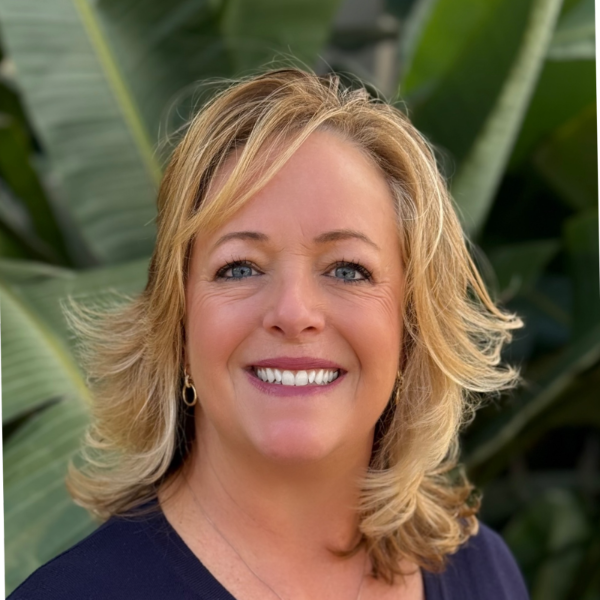
For decades, my purpose has been helping clinical leaders in senior living thrive through education, well-designed technology and a strong community of peers. It’s an honor to partner with ASHA on our third annual survey of the people who lead care in senior living.
This year, we heard from nurse leaders at every level: those at the helm of their organizations, those in regional roles and a purposeful sample of nurses leading in the community. We learned that investments in onboarding and training are positively impacting retention and outcomes. Nearly half are using predictive analytics or AI-driven alerts to better manage risk.
What resonated with me most is where they find meaning: in building relationships, developing their staff and caring for residents and families. Yet, findings suggest that the power they have to effect change in their organizations depends on whether their authority matches what they are held accountable for. This gap is an important signal worthy of further study.
I’m grateful to every nurse who shared their experience. Meaningful progress comes from listening to the people closest to care, then turning what we learn into better tools, stronger support and more opportunities for nurses to lead.
August Health
Leaders aren’t short on reasons to love the work. They’re short on the authority to shape it.
Nine in ten clinical leaders (91%) are satisfied in their roles. They find the greatest rewards in developing their clinical teams and building relationships with residents and families. Authority is a different story. Only one in five say theirs fully matches what they’re accountable for, and early findings suggest the gap is widest for the leaders closest to residents.
Clinical leaders find the work rewarding, but authority lags behind accountability
Leaders whose authority is misaligned with accountability are far less likely to feel empowered than those who feel authority and accountability completely align.
Early signals suggest the empowerment gap is widest among leaders closest to residents.
“I’ve found that nurses in corporate, less resident-facing roles placed more value on their professional values over time. It sounds like they’re also the leaders who feel most empowered here. How we help every nurse feel empowered in their role is important work.”
Leaders at both levels are asking to be trusted with the judgment they already have.
The role now calls for more than clinical expertise
Select a topic below to read more.
Leaders are investing in people and partnerships to improve outcomes
Retention gains are coming from how organizations develop their people
AI is moving from interest to implementation
{{ topicTitle }}
have integrated at least one health care program
or partnership into their clinical model
“Nurses feel the impact of the partners who show up every day, like pharmacy and therapy, most directly. The harder part is connecting all of that work to the outcomes that matter most, like whether a resident ends up back in the hospital.”
“Quality leads to compliance. Completing an assessment on time matters, but so does making sure it reflects the care a resident actually needs. We need visibility into quality measures, too, so we can see how residents are doing alongside whether we’re meeting our requirements.”

“If anyone on my team asks me for more training, I’ll do everything in my power to give it to them. Whatever they do affects our residents, our families and our reputation.”
Fragmentation is still the day-to-day problem
of care teams log into two or more separate technologies per shift
“Too often, new technology gets chosen first and handed to clinical afterward to figure out whether it’s viable. We need a bigger voice before that decision is made.”
About the survey
Clinical leaders in senior living are being asked to do more every year: care for residents with higher needs, answer for more of the organization's results, and make sense of new technology along the way. August Health and ASHA created this survey to understand clinical leaders’ perspectives and what they need to do their work well. Now in its third year, the State of Senior Living Clinical Leadership Survey was most recently fielded in September 2026.
Closing the gap between accountability and authority
Clinical leaders in senior living find the work rewarding, and they carry a great deal of responsibility for how their organizations perform. However, their authority doesn't always match what they're accountable for. When it does, leaders are far more likely to feel empowered to effect change.
Clinical leaders are the people who hold care together in senior living, and their experiences deserve a place at the center of our industry’s conversations as we collectively work to help our residents “live longer better.”
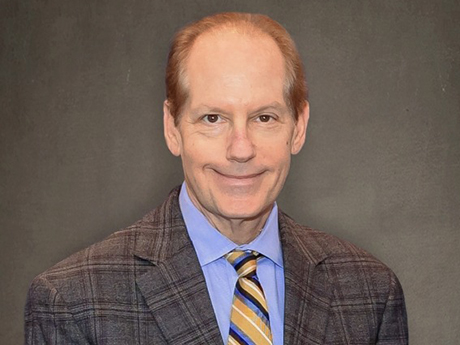
Now in its third year, this survey, conducted in partnership with August Health, has become a valuable benchmark for how clinical leaders experience their work. This year, we broadened the lens, hearing from executives and regional leaders as well as leaders working in our communities every day.
The findings are both encouraging and instructive. Respondents demonstrate a deep commitment to their residents, teams, and organizations. They also indicate that investments in onboarding, training, and leadership development are contributing to stronger perceptions of care quality, job satisfaction, and retention.
At the same time, the survey highlights meaningful opportunities for operators to further strengthen support for clinical leaders in ways that can improve workforce stability and enhance the quality of clinical services.
Taken together, these insights provide a more complete picture of the people responsible for leading care delivery in senior living communities. They offer valuable guidance for operators seeking to improve performance and outcomes, while also helping inform ASHA’s advocacy efforts on Capitol Hill as we promote greater understanding of the essential role senior living plays in supporting older adults, their families, and our nation’s health care system.
American Seniors Housing Association